Sunday, September 30, 2012

Thursday, September 27, 2012
How careful should you be going to Portugal
How to be safe in Portugal
Portugal has a relatively low rate of violent crime; however, crime in all categories is increasing. The biggest crime risk is from pickpockets and purse snatchers, particularly at popular tourist sites and restaurants, or on public transportation. Rental cars and vehicles with out-of-town or foreign license plates are frequent targets for break-ins.
Take Precaution
Remove the temptation - visible luggage or personal items from cars when parking, especially near popular tourist sites. The American Embassy has learned of some cases where travelers discover a flat tire and someone immediately volunteers to assist. Capitalizing on the distraction, an accomplice meanwhile steals valuables from the vehicle.- Keep your car doors locked when stopped at intersections.

- Don't go into isolated or poorly lit areas and don't use ATMs in poorly lit areas.
- Carry limited cash and credit cards with you, leaving extra cash, credit cards, and personal documents at home or in a hotel safe.
- Stay with your belongings in airports, train stations and other highly trafficked areas.

Trains: Public transportation is considered safe and reliable; however, during the summer months, there are occasionally reports of youth gangs accosting passengers riding trains between Lisbon, Cascais, and Sintra. The authorities have increased their patrols in response to these incidents.
Taxis: Taxis are a reliable means of transportation, though you should be alert to possible discrepancies between the meter fare and the amount requested by the driver. Always ask the taxi driver to use the meter. A tourism information kiosk in the arrivals area of the Lisbon airport sells taxi vouchers at standardized prices for many locations in the city and metro area. As part of this voucher service, a member of the tourism office will also escort you to your taxi. Some cases have been reported involving taxi drivers in the arrivals area of the airport who overcharge, threaten and/or harass passengers.
Beaches: Beaches are generally considered safe, but beach-goers should not leave their personal belongings unattended. Youth gangs have been known to congregate along the beaches between Lisbon and Cascais and occasionally accost beach-goers. The authorities have increased their patrols in response to these incidences.
The local equivalent to the “911” emergency line in Portugal is 112. For social welfare emergencies such as domestic violence or child abuse dial 144. English-speaking operators are available.There is also a SOS immigrant line with English speaking operators ready to help you in case of emergency. You may contact them at 351 808 257 257 between the hours of 8:30 a.m. and 8:30 p.m.
Just be cautious and you will be fine.
Monday, September 24, 2012
Friday, September 21, 2012
A thought for today...
There is a difference between feeling gratitude and appreciation for something, and feeling attachment to something. Appreciation and gratitude are states of pure love, while attachment contains fear - fear of losing or not having what you are attached to. When it comes to something you want in your life, appreciation and gratitude attracts, and attachment pushes away. If you are feeling afraid that you will not get what you want, or losing what you have, then you have attachment.
To remove the attachment, keep shifting yourself into a state of appreciation and gratitude, until you can feel that the fear has gone.
By Rhonda Byrne
Thursday, September 20, 2012
Religion & Weather in Portugal
Religion
Initially influenced by the gods of pagan cultures during the pre-Roman centuries, like Spain, Portugal eventually followed the path of Catholicism. However, unlike Spain, Roman Catholicism in Portugal was blended with folk practices, spiritualism, and a tendency to revere Saints rather than a direct relationship with God.
In Portugal, God and his Saints were seen as loving and serene, full of forgiveness and not maniacally focus on suffering as the path to heaven. Religious practice also took on a more regional character with strong church attendance in the North and less than 15 % attendance in the South. The practice of religion in Portugal has shown striking regional differences. In modern times, metropolitan centers like Lisbon have less than 30% regularly going to church. Even in the villages where the Church was once the center of the village and decorated with gold leaf, today you find many of those churches in disrepair.

In Portugal, a great deal of the religious experience incorporates folk practices such as witchcraft, pagan festivals, and worship of Saints as intermediaries to God - so much so that the church now recognizes these practices and participates in village life along side of some of them.
As a case in point, the most famous religious celebration in Portugal has been a celebration of the vision of the Virgin Mary to three children in the village of Fatima in 1917. The worship of the Virgin Mary as "Our Lady of Fatima" far overshadows the worship of God in this small village in the district of Santarem and it has led hundreds of thousands of pilgrims to visit the Shrine at Fátima each year, many in the hope of receiving healing.

While better education and a migration to the cities has lessened the hold of these folk beliefs, you will still find ample sorcerers, palm readers, and Taro ships throughout Lisbon. In Portugal and remnants of its colonies, a strong undercurrent of superstition still remains.
Weather

As you plan your trip to Portugal, you will need to pack based on the regions you plan to visit. Topography, latitude and proximity to the ocean affect the climatic condition of various regions.
Portugal is basically divided into three parts;
- Mainland Portugal
- Madeira Archipelago
- Azores Archipelago

- Hot and dry Summers.
- Sunny and comfortable Autumns.
- Mild Winters with little snow.
- Sunny and comfortable Spring
- Subtropical weather with mild temperatures all year long.
Monday, September 17, 2012
Capitol, Geography and Currency in Portugal
Lisbon, the Capitol of Portugal
Lisbon, the beautiful city by the sea!
Amazing enough it resembles Rio de Janeiro which is situated in Brazil and was the capital of the Portuguese Colonial Empire from 1808 to 1821. Note 1 below

Finally, under the banner of Afonso I of Portugal, Christian forces brought Lisbon back into Christian hands in 1147. A popular story of this reconquest of Portugal is that there was a bishop who was killed by the crusaders and that the people prayed for intercession of the Virgin Mary. This act proved to the Knights of Christ that the population was Christian. Arabic ways lost their influence and Muslims converted to Roman Catholicism or sent home.
In 1255, Lisbon became the official capital of Portugal. During the last centuries of the Middle Ages, the city expanded substantially and became an important trading post with both northern European and Mediterranean cities. The growth of this era provided a stable economic base, interrupted briefly by the Castilians, which allowed Portugal to become a powerhouse in the 15th, 16th, and 17th centuries. Most of the Portuguese expeditions which led to the building of the vast Portuguese Colonial Empire were launched from Lisbon. Along with the growth of the empire, Lisbon became the European hub of commerce and culture with its tentacles in Africa, India, the far East and of course, Brazil.
Then war broke out again as the Kingdom came down on the wrong side of European power, at least for the short term. Napoleon invaded Portugal in 1777 in reaction to the Portuguese King's support of England. This lead to the "Great Escape" of 15,000 to Brazil where they set up the Kingdom of the Portuguese Empire until Napoleon was finally defeated. In 1821 the royal family moved back to Portugal, leaving Prince Dom Pedro I to rule the colony.

With the Serra da Estrela, Spanish Sierras a Gata, Gredos and Guadarrama, to the North, Portugal's highest peak is 1991 meters. As you move south you will find the hills of Portugal. Descending from the table lands to the ocean, the largest river, Douro, crosses Northern Portugal from East to West.

 The Portuguese Escudo was the currency of Portugal until the
introduction of the euro in 2002, Inflation made the Escudo virtually
irrelevant, and centavo coins were withdrawn from circulation.
Note 1 - The Transfer of the Portuguese Court to Brazil occurred on November 29, 1807 when the Portuguese royal family and its court of 15,000 escaped Lisbon just days before the army of Napoleon captured Lisbon. Along with them, they moved the capital of the Portuguese Colonial Empire to Rio de Janeiro, Brazil. For thirteen years, Rio functioned as the capital of the the Portuguese Kingdom.
Lisbon, the beautiful city by the sea!
Amazing enough it resembles Rio de Janeiro which is situated in Brazil and was the capital of the Portuguese Colonial Empire from 1808 to 1821. Note 1 below
Brief history
The area that Lisbon occupies has been populated since the Neolithic period. Like most European capitals, Lisbon development included much conflict. Occupation by Iberians, Celts, Romans, Sarmatian Alans, Germanic Vandals, Visigoths, Vikings, Moors, French, Islams, and Slavs. A period of diversification in cultures and religions.Finally, under the banner of Afonso I of Portugal, Christian forces brought Lisbon back into Christian hands in 1147. A popular story of this reconquest of Portugal is that there was a bishop who was killed by the crusaders and that the people prayed for intercession of the Virgin Mary. This act proved to the Knights of Christ that the population was Christian. Arabic ways lost their influence and Muslims converted to Roman Catholicism or sent home.
In 1255, Lisbon became the official capital of Portugal. During the last centuries of the Middle Ages, the city expanded substantially and became an important trading post with both northern European and Mediterranean cities. The growth of this era provided a stable economic base, interrupted briefly by the Castilians, which allowed Portugal to become a powerhouse in the 15th, 16th, and 17th centuries. Most of the Portuguese expeditions which led to the building of the vast Portuguese Colonial Empire were launched from Lisbon. Along with the growth of the empire, Lisbon became the European hub of commerce and culture with its tentacles in Africa, India, the far East and of course, Brazil.
Then war broke out again as the Kingdom came down on the wrong side of European power, at least for the short term. Napoleon invaded Portugal in 1777 in reaction to the Portuguese King's support of England. This lead to the "Great Escape" of 15,000 to Brazil where they set up the Kingdom of the Portuguese Empire until Napoleon was finally defeated. In 1821 the royal family moved back to Portugal, leaving Prince Dom Pedro I to rule the colony.
Geography
Lisbon is also the largest city of Portugal - located on the coast where the Tagus [Tejo] River empties into the Atlantic Ocean. With its cities rising from the ocean in an abundance of sunshine, its limestone buildings with red tile roofs provide a dramatic contract to the brilliant blue of the ocean and skies.With the Serra da Estrela, Spanish Sierras a Gata, Gredos and Guadarrama, to the North, Portugal's highest peak is 1991 meters. As you move south you will find the hills of Portugal. Descending from the table lands to the ocean, the largest river, Douro, crosses Northern Portugal from East to West.
Currency
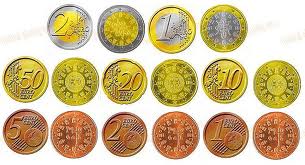
 The Portuguese Escudo was the currency of Portugal until the
introduction of the euro in 2002, Inflation made the Escudo virtually
irrelevant, and centavo coins were withdrawn from circulation.
Note 1 - The Transfer of the Portuguese Court to Brazil occurred on November 29, 1807 when the Portuguese royal family and its court of 15,000 escaped Lisbon just days before the army of Napoleon captured Lisbon. Along with them, they moved the capital of the Portuguese Colonial Empire to Rio de Janeiro, Brazil. For thirteen years, Rio functioned as the capital of the the Portuguese Kingdom.
Saturday, September 15, 2012
Subscribe to:
Posts (Atom)